

low iron tempered glass
How to Turn Off the Main Water Valve A Step-by-Step Guide Understanding how to turn off your main water valve is an essential skill for every homeowner. Whether you're experiencing a plumbing leak, preparing for a renovation, or dealing with a burst pipe, knowing how to quickly shut off your water supply can save you from extensive damage and costly repairs. This article will guide you through the process of locating and turning off the main water valve in your home. What is the Main Water Valve? The main water valve controls the flow of water into your home from the municipal water supply or well. It serves as a vital safety feature, allowing you to stop the water flow in emergencies. It’s typically located near where the water line enters your home, often close to the foundation or in the basement. Steps to Turn Off the Main Water Valve 1. Locate the Main Water Valve The first step is to find the valve. Common locations include - Basement Often found near the water heater or where the water line enters the house. - Crawl Space Sometimes accessible in homes with crawl spaces. - Outside In warmer climates, the valve may be located outside, typically near an exterior wall or next to the foundation. - Garage Check in the garage if you can't find it elsewhere. 2. Identify the Type of Valve There are generally two types of valves to be aware of - Gate Valve This valve has a round wheel that you turn to open or close it. Turning it clockwise will close the valve, while counterclockwise opens it. - Ball Valve This type has a lever handle that you turn a quarter turn to switch between open and closed. When the handle is parallel to the pipe, it’s open; perpendicular indicates that it’s closed. 3. Prepare for the Switch Once you've located the valve, prepare for operation - Clear the area around the valve to allow easy access. - Have towels or buckets ready to catch any water that may leak out when the valve is shut off. how to turn off main water valve 4. Turning Off the Valve - For Gate Valves Turn the wheel clockwise until it stops. It might require some effort if it hasn’t been turned in a while, so apply steady pressure. - For Ball Valves Simply turn the lever perpendicular to the pipe to close it. 5. Check for Water Flow After you’ve turned off the valve, check your taps and fixtures to ensure that the water supply has stopped. Turn on a faucet (preferably the highest one in your home) to see if there is any remaining water pressure. It’s normal for a little water to come out, but there should be no sustained flow. 6. Address the Issue at Hand With the main water supply turned off, you can safely work on fixing leaks, replacing pipes, or conducting repairs without the risk of flooding your home. 7. Turning the Valve Back On Once you’ve completed your work, turning the valve back on is just as easy - For Gate Valves Turn the wheel counterclockwise until fully open. - For Ball Valves Turn the lever back parallel to the pipe. 8. Check for Leaks After restoring the water supply, inspect your plumbing for any leaks, especially at the sites of repairs. If you notice any leaks, turn the valve off again and address the plumbing issue before proceeding. Conclusion Knowing how to turn off your main water valve is a crucial part of home maintenance. It empowers you to handle plumbing emergencies efficiently, potentially saving you from extensive damage and repair costs. Make sure that all members of your household are aware of its location and how to operate it. Regularly check the functionality of your valve to ensure that it remains operational when you need it the most. With this skill in your toolkit, you can take control of unexpected plumbing problems with confidence.
about
low iron tempered glass
Understanding the Cost of Pressure Control Valves Pressure control valves are essential components in various industries, ensuring the safe and efficient operation of systems by regulating pressure levels. These valves find applications in manufacturing, oil and gas, water treatment, and many other sectors. As these systems are critical for maintaining operational integrity, understanding the pricing of pressure control valves becomes crucial for businesses looking to optimize their expenditures without compromising quality. The price of pressure control valves can vary significantly based on a variety of factors, including design, size, materials, and application. Generally, standard pressure control valves can range anywhere from $50 to several thousand dollars. For instance, a simple brass valve designed for low-pressure applications may fall on the lower end of the price spectrum, while specialized valves made from high-grade materials to withstand extreme conditions can be quite expensive. Understanding the Cost of Pressure Control Valves Additionally, the size and specifications of the valve play a critical role in determining its cost. Larger valves that can handle higher flow rates or operate at elevated pressures typically command higher prices. Custom-designed valves tailored to specific applications may also lead to increased costs, as specialized manufacturing processes and materials would be required. pressure control valve price Another factor influencing the price is the brand and the technology used. Established manufacturers often offer higher prices due to their reputation for quality, reliability, and aftermarket support. Innovative features such as electronic controls, advanced sealing technologies, and integrated monitoring systems can further drive up the price but may enhance efficiency and reduce operational costs over time. When considering the price of pressure control valves, it's essential to factor in the long-term benefits and potential savings. Investing in high-quality valves can lead to reduced maintenance costs and enhanced reliability, which is critical for operations that cannot afford downtime. Moreover, choosing the correct valve for the application ensures optimal performance, which can lead to energy savings and decreased operational costs. For companies purchasing pressure control valves, conducting thorough research and comparing options from different suppliers will help identify the best fit for their needs. It may be beneficial to seek expert advice to understand the specific requirements of the application, as this can help avoid overspending on unnecessarily high-end products or facing issues with incorrect specifications. In conclusion, the price of pressure control valves can vary widely based on several factors, including material, size, specifications, brand reputation, and advanced features. Businesses should carefully evaluate their needs and consider both upfront costs and long-term savings to make informed purchasing decisions. Quality valves are an investment in reliability and efficiency, essential for the smooth operation of any industrial process.
-

High quality industrial productsagement

High quality industrial products
View Details -

Meet the diverse needs of customers

Meet the diverse needs of customers
View Details -

Strict quality control

Strict quality control
View Details -

Top raw materials

Top raw materials
View Details -

Trusted supplier

Trusted supplier
View Details
Our application
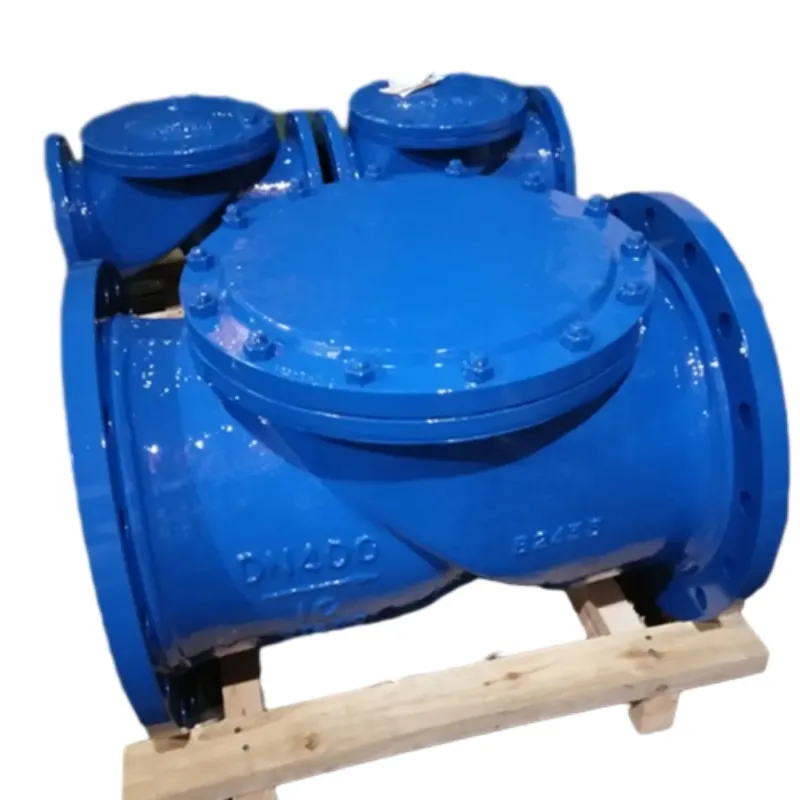


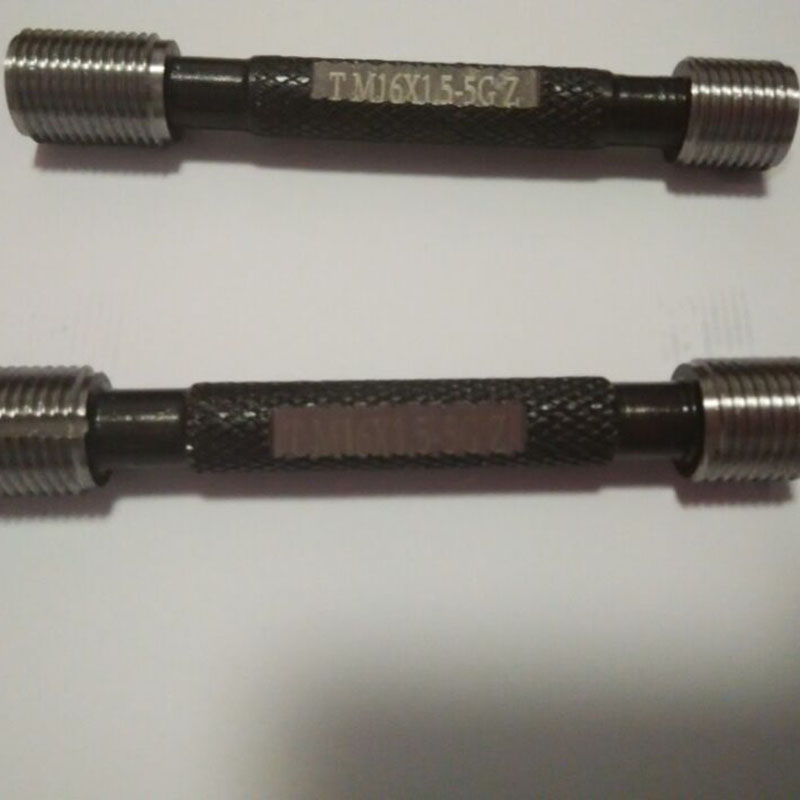
news and information
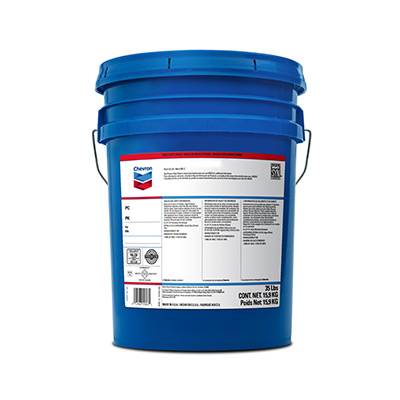
Using Tapered Plug Gauges for Precision Measurement and Quality Control in Manufacturing
Understanding Taper Plug Gauges and Their Applications In precision engineering and manufacturing, e
wskazuje mikrometr
Indykatory Mikrometryczne Zastosowanie i Właściwości Indykatory mikrometryczne to precyzyjne narzędz

Valvola a sfera da 150 mm - Alta qualità e prestazioni
Valvola a Vite da 150mm Un Eccellente Strumento per il Controllo del Flusso La valvola a vite da 150
 English